What is restorative hospitality?
We talk a lot about wellness in terms of treatments, amenities, programs and products. A spa menu. A meditation app in the room. A wellness package bolted onto a rate.
But restoration can begin long before any of those things — with the light in a room, the sounds around us, the food we eat, the materials we touch, the landscape outside the window, the people caring for the space, and whether the environment allows us to truly rest.
The place is part of the healing
This is the question that has shaped the work behind Sanctuary Found: what if the place itself is part of the healing?
It asks something different of a property. Not how does this look in a photograph, but what does this do to a nervous system over three days. Those are not the same question, and they do not always have the same answer.
What it looks like in practice
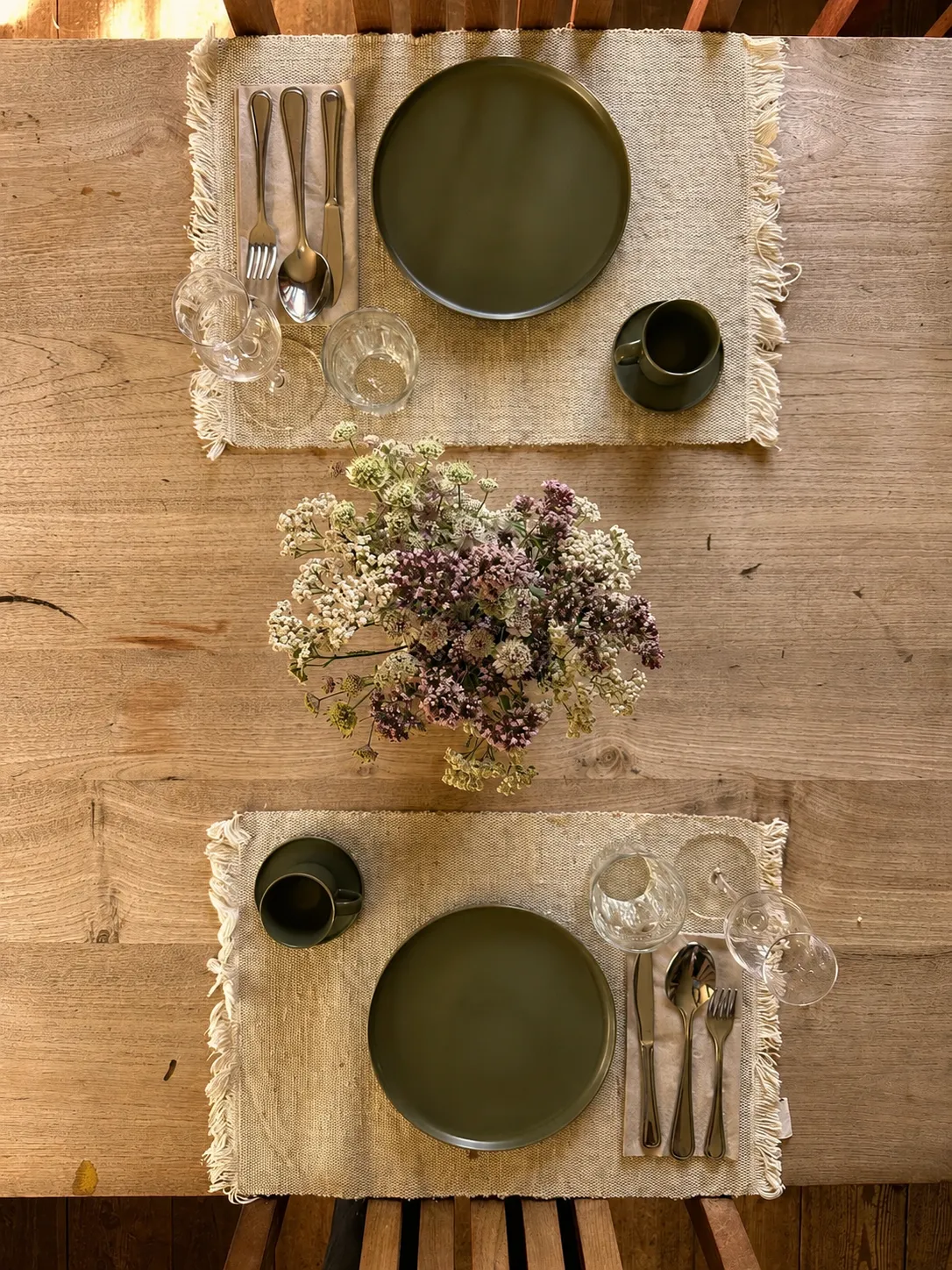
At Vita Krala, in the forest country of Närke, restoration is not on the menu — it is in the clay walls of the bedrooms, the garden that decides what dinner is, and a kitchen shaped by what grows nearby. Nothing feels excessive or overdesigned. It is thoughtful food, served beautifully, with a clear sense of place.
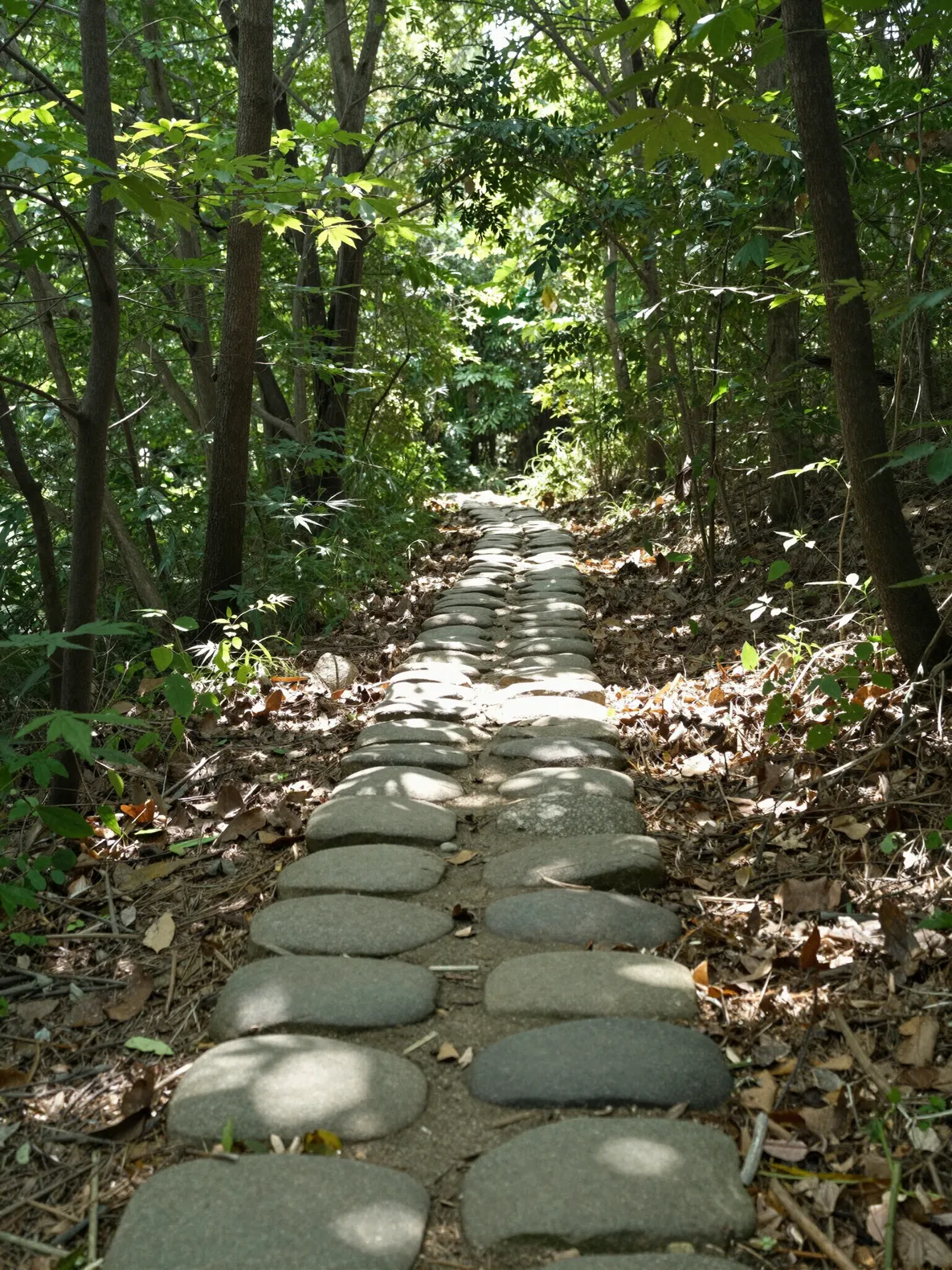
At Omberg, in Sweden’s Östergötland, the reserve feels like it was designed for the human nervous system long before anyone started talking about wellness. Trails wind through old-growth beech forests, moss-covered stones, quiet lakes and dramatic overlooks without demanding anything from you except your attention. There are no attractions to check off. No itinerary to complete.
At Bask, across 42 acres of Tennessee, the land itself is the work: native plants and trees returning, wetlands and rare plant communities protected, food gardens and medicinal herbs going in alongside the cabins and domes.
Some places ask you to do more
Omberg asks you to do less.
That is the whole distinction. A place that asks less of you is doing more work than one that fills your days — and it is much harder to build, because it requires the owner to leave things alone.
Not overdeveloped. Not forced.
Sitting around a campfire on a hundred acres of Missouri farmland with a new caretaker, we talked about how much potential can exist in a piece of nature when it is well stewarded. Not overdeveloped. Not forced into becoming something it isn’t. Just cared for intentionally enough that the land can begin to reveal what it wants to become.
That is the standard. It applies to a three-room bed and breakfast and to a forty-acre retreat center equally.
This is the future of hospitality
Places designed not just for staying — but for restoring.